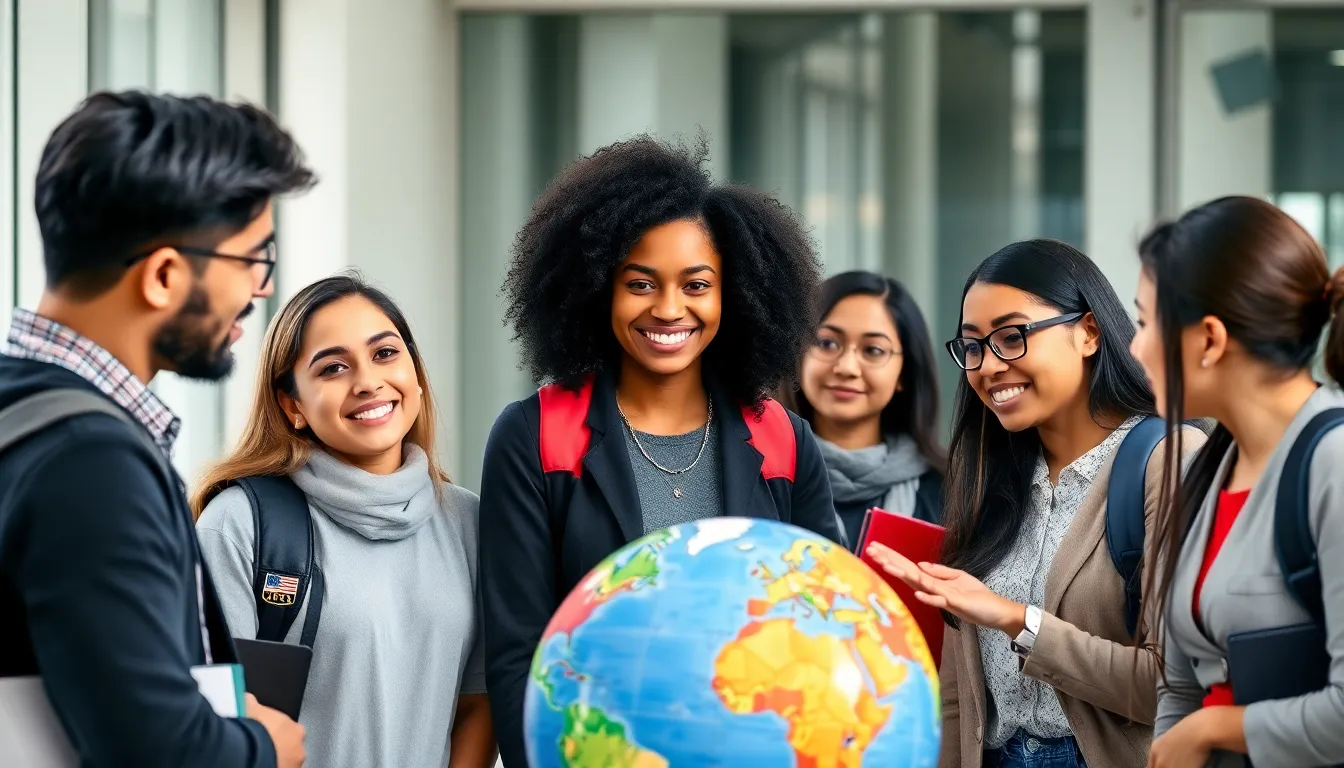
In a world where the only constant is change, the role of a Master of Global Affairs has never been more crucial. Imagine someone who can navigate the choppy waters of international relations with the finesse of a seasoned sailor. They’re the diplomats, strategists, and analysts who make sense of the chaos and help shape a better future.
Understanding Master of Global Affairs
A Master of Global Affairs equips individuals with essential skills for addressing global challenges. Professionals in this field analyze international dynamics and influence policies.
Definition and Scope
A Master of Global Affairs centers on understanding and managing complex global issues. This academic program encompasses international relations, human rights, security studies, and economic development. Students study political theories and practical strategies, ensuring they can address global crises effectively. Coursework often involves case studies, simulations, and fieldwork. Graduates emerge ready to work in various sectors, including government, NGOs, and international organizations.
Importance in Today’s World
The relevance of a Master of Global Affairs grows with globalization’s impact. Professionals tackle pressing challenges like climate change, conflict resolution, and economic inequality. They contribute to diplomatic relations and strategic decision-making. Strategic thinking enables them to offer solutions that drive sustainable development. As global interdependence increases, expertise in international affairs becomes indispensable for influencing policy and fostering communication among nations.
Core Curriculum and Skills
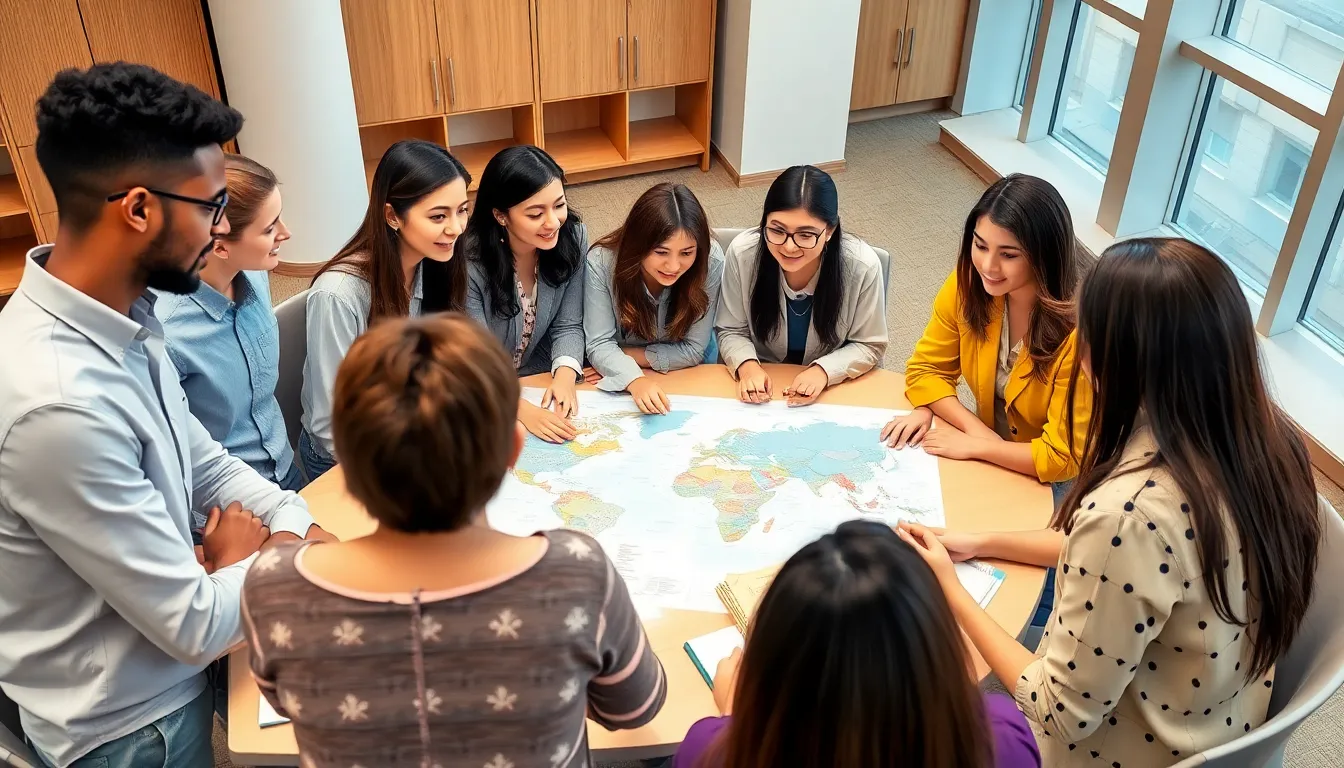
A Master of Global Affairs program focuses on delivering vital knowledge and skills necessary for tackling critical global challenges. This curriculum is designed to equip students with a comprehensive understanding of the multifaceted nature of international relations and global governance.
Key Subjects Covered
Core subjects in the curriculum often include international relations theories, comparative politics, and global economics. Students explore human rights frameworks, security studies, and environmental policy. Case studies enrich learning by providing real-world context, while simulations allow students to practice diplomatic negotiation and conflict resolution. Fieldwork opportunities further bolster practical learning, connecting theory to application.
Skills Developed
Graduates refine critical thinking and analytical skills essential for assessing complex situations. Communication proficiency becomes a hallmark, facilitating effective discourse across cultures. In addition, problem-solving capabilities are enhanced through real-world scenarios. Interpersonal skills strengthen, promoting collaboration in diverse environments. Adaptability emerges as a key trait, enabling professionals to navigate changing global landscapes with ease.
Career Opportunities
A Master of Global Affairs opens diverse career opportunities across multiple sectors. Graduates find themselves in positions where they can influence policy and spearhead initiatives addressing global challenges.
Potential Job Roles
Positions for graduates include roles such as diplomatic officer, policy advisor, and international development consultant. Many work as analysts for government agencies, examining international trends and advising on strategic decisions. Some become human rights advocates, focusing on issues that affect vulnerable populations. Opportunities in nonprofit leadership are available, emphasizing sustainability and global engagement. Others may pursue careers in corporate social responsibility, aligning business practices with social impact goals.
Sectors Employing Graduates
Various sectors employ individuals with a Master of Global Affairs. The government sector often seeks professionals for roles in foreign service and public policy formulation. Non-governmental organizations rely on these graduates for project management and advocacy efforts. International organizations, including the United Nations and World Bank, engage them for program development and implementation. The private sector values professionals skilled in navigating international markets and risks. Additionally, academia offers opportunities for those interested in teaching and conducting research in global affairs.
Benefits of Pursuing a Master of Global Affairs
Pursuing a Master of Global Affairs offers numerous advantages. Students gain comprehensive knowledge of international issues while developing critical skills needed in today’s complex world.
Personal Development
Master of Global Affairs programs foster personal growth through exposure to diverse perspectives. Interacting with peers from various cultural backgrounds enhances cultural competence. Students enhance their analytical and critical thinking skills through engaging coursework and discussions. Involvement in simulations and fieldwork prepares individuals for real-world situations, helping them develop adaptability. Emotional intelligence grows as they confront global challenges and learn to navigate differing viewpoints. Furthermore, strong communication skills emerge, crucial for effective collaboration in multicultural environments.
Professional Advancement
Graduates from Master of Global Affairs programs enjoy a wide array of career opportunities. Professionals enter fields such as diplomacy, international development, and public policy. Many find roles in government agencies, think tanks, and nonprofit organizations, using their expertise in global issues. Skills acquired during the program enhance competitiveness in the job market. Networking opportunities abound, connecting graduates with industry leaders and potential employers. Career advancement becomes achievable, as graduates influence policy and drive initiatives addressing pressing global challenges. Moreover, the credibility gained through this advanced degree opens doors in academia and private sectors alike.
The Master of Global Affairs stands as a vital credential in a world marked by complexity and interconnectivity. Graduates emerge equipped to tackle pressing global issues and drive meaningful change across various sectors. Their unique skill set not only enhances their career prospects but also positions them as key players in fostering international dialogue and collaboration. As the global landscape continues to evolve, the demand for adept professionals in this field will only grow, highlighting the importance of this degree in shaping a better future for all.