When it comes to dining out, the experience doesn’t just stop at the menu. The restaurant’s interior can make or break a meal. Imagine biting into a gourmet burger while surrounded by walls that scream “vintage chic” or “modern minimalism.” It’s not just about the food; it’s about the vibe.
Restaurant Interior Design Ideas
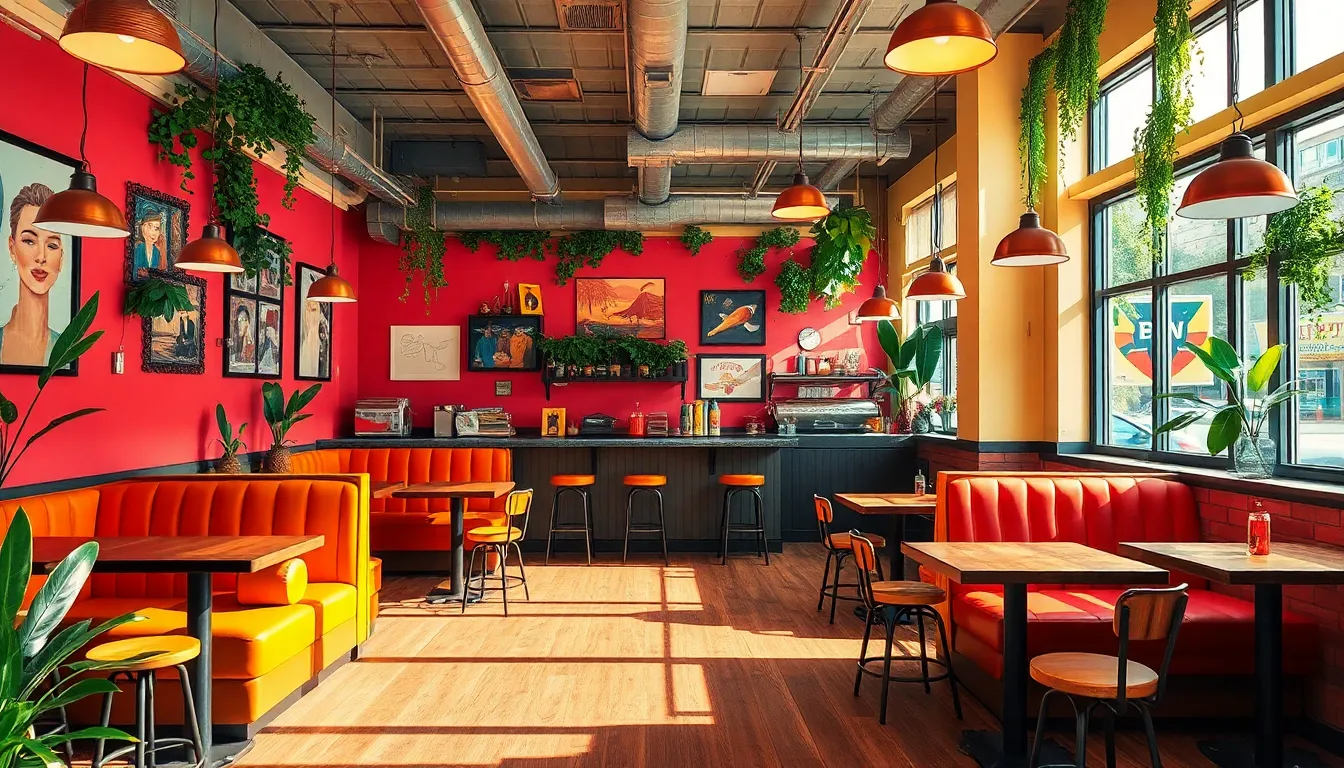
Creating an inviting restaurant atmosphere involves selecting the right design elements. Incorporating cozy seating arrangements enhances comfort and encourages lingering. Utilizing natural light elevates mood and showcases the decor effectively.
Employing colors that evoke appetite, such as reds and yellows, stimulates diners’ senses. Integrating local art supports community engagement while adding unique character. Utilizing spacious layouts promotes movement, which can reduce crowding during peak hours.
Opting for diverse textures, from wood to metal, creates visual interest and depth. Incorporating greenery through plants or vertical gardens brings freshness and life to the space. Featuring open kitchen layouts allows guests to witness food preparation, enhancing their dining experience.
Creating themed sections within the restaurant can cater to different customer preferences. Offering private dining areas provides intimacy for special occasions. Incorporating technology, such as digital menus, modernizes the dining experience while streamlining operations.
Focusing on accessibility ensures that all guests enjoy the restaurant comfortably. Using sound-absorbing materials can minimize noise, promoting conversation. Prioritizing sustainable materials contributes to eco-friendliness, appealing to environmentally conscious diners.
Selecting appropriate lighting, such as warm hues for intimate settings or bright lights for lively atmospheres, sets the desired tone. Displaying menu items creatively can entice guests and showcase culinary artistry. Each of these design strategies contributes to an exceptional dining experience that resonates with patrons.
Color Schemes
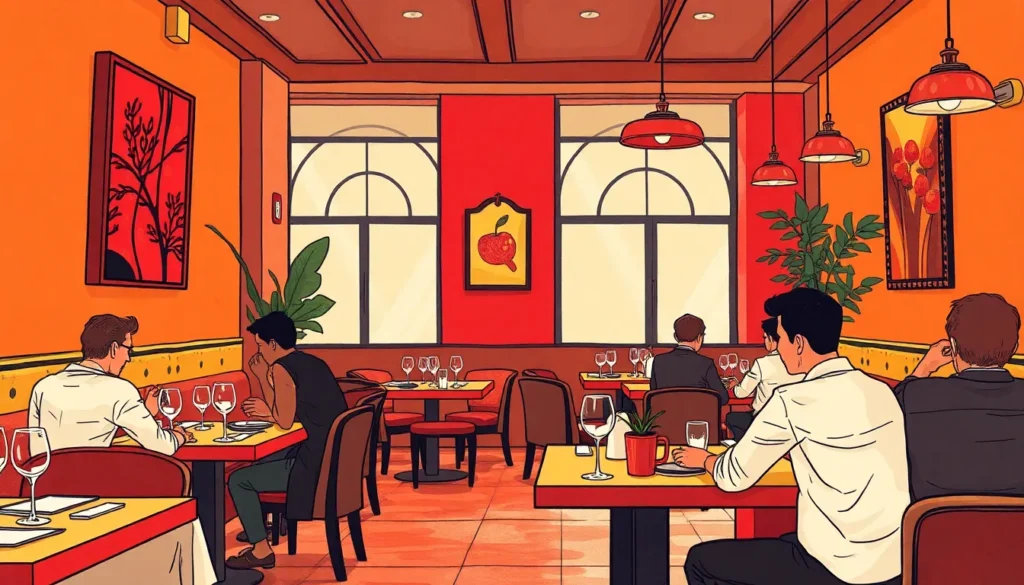
Color schemes significantly enhance restaurant ambiance and can evoke different emotions. Choosing the right hues can influence guests’ mood and appetite, making it a vital aspect of interior design.
Warm Tones
Warm tones, such as reds, oranges, and yellows, create an inviting atmosphere that stimulates appetite. These colors encourage social interaction and can make spaces feel cozy. Restaurants like Italian trattorias often utilize red accents, reflecting warmth and passion. Incorporating warm colors through wall paint, upholstery, or decorative elements fosters a lively environment, ideal for gathering and enjoyment. A balance between warm shades can help establish a vibrant yet relaxing vibe that complements the dining experience.
Cool Tones
Cool tones, including blues and greens, promote relaxation and calmness within dining spaces. These colors are often associated with nature, contributing to a serene experience for guests. Coastal-themed restaurants frequently use soft blues and greens to evoke feelings of tranquility. Utilizing cool tones in lighting fixtures and decor can enhance the overall serenity. A carefully crafted palette that blends cool shades can create an elegant yet inviting atmosphere, encouraging patrons to savor their meals in peace.
Layout and Space Optimization
Effective layout and space optimization enhance the dining experience by facilitating movement and creating distinct atmospheres in a restaurant.
Open vs. Closed Layouts
Open layouts promote a sense of community and interaction among diners, making them ideal for casual eateries. They often feature expansive seating areas that encourage socializing. Closed layouts, on the other hand, offer intimacy and privacy, suited for fine dining establishments. Each configuration has unique benefits that cater to different customer preferences. Choosing a layout should factor in target clientele and intended ambiance to maximize dining satisfaction.
Zoning for Different Areas
Zoning establishes distinct spaces within the restaurant to cater to various functions. Designated areas for dining, waiting, and socializing prevent congestion and enhance flow. Use of furniture arrangement can create intimate nooks for couples alongside larger tables for groups. Additionally, themed zones can reflect the restaurant’s concept, engaging guests in a cohesive experience. Proper zoning optimizes space while ensuring comfort, increasing both customer satisfaction and operational efficiency.
Furniture Choices
Furniture selection significantly impacts a restaurant’s ambiance and functionality. Thoughtful choices enhance guest experiences and reinforce the overall design theme.
Seating Options
Choosing the right seating shapes the dining atmosphere. Comfortable booths invite diners to relax and enjoy their meals. Bar stools promote a casual vibe, ideal for quick bites and socializing. Chairs with varying styles cater to different preferences, offering both elegance and comfort. Incorporating outdoor seating expands capacity and appeals to those who enjoy al fresco dining. Flexibility in seating arrangements allows for accommodating larger groups or intimate gatherings, maximizing the use of space.
Table Arrangements
Table layout influences the flow and interaction of diners. Round tables encourage conversation and are suitable for smaller groups, fostering a communal dining experience. Rectangular tables work well for larger parties, allowing for more guests in a defined area. Space between tables ensures comfort while promoting movement. Arranging tables in zoned sections, like intimate corners for couples or lively areas for families, enhances social dynamics. Adequate spacing creates an inviting environment conducive to enjoying meals and lingering longer.
Lighting Solutions
Effective lighting plays a crucial role in restaurant interior design, contributing significantly to the overall atmosphere and dining experience.
Ambient Lighting
Ambient lighting creates a welcoming environment for guests. Soft fixtures often enhance the warmth, promoting relaxation and comfort. It serves as the main source of light, filling the space without overpowering diners. Utilizing dimmable options allows for flexibility during various dining times, from breakfast to late-night service. Pendant lights and chandeliers can add a touch of elegance while ensuring consistent illumination. Selecting warm light tones invokes a cozy feel, encouraging customers to linger longer.
Accent Lighting
Accent lighting highlights specific areas or features within the restaurant. This type of lighting draws attention to artwork, food displays, or architectural details. Spotlights or wall sconces are excellent choices for achieving this effect. By creating visual interest, it enhances overall aesthetics and invites exploration. Additionally, accent lighting can establish focal points, guiding guests through the space. Combining various accent lights with ambient options facilitates a layered lighting approach, enriching the dining experience and encouraging a lively atmosphere.
Creating a captivating restaurant interior goes beyond aesthetics. It’s about crafting an experience that resonates with guests on multiple levels. Thoughtful design elements like cozy seating and effective lighting can transform a meal into a memorable occasion.
Incorporating local art and natural materials not only enhances the ambiance but also connects diners to the community. By balancing comfort with functionality and paying attention to color schemes and layouts, restaurant owners can foster an inviting atmosphere.
Ultimately, a well-designed space encourages patrons to return, ensuring that the dining experience remains as delightful as the food served. With these ideas, any restaurant can elevate its interior to create lasting impressions.